Print View

The Origins of Krakatoa

Ben Houston · 2024-12-06 · 11 slides

Use the browser print dialog to print or save this deck as a PDF.

  1. Slide 1

    The Origins of Krakatoa

    A VFX rendering journey from one film challenge to an industry-standard renderer

    Ben Houston · 2024-12-06

    How a custom point renderer built for a single visual-effects challenge evolved into technology used on films like Avatar, Harry Potter, and more.
  2. Slide 2

    The Story in One Sentence

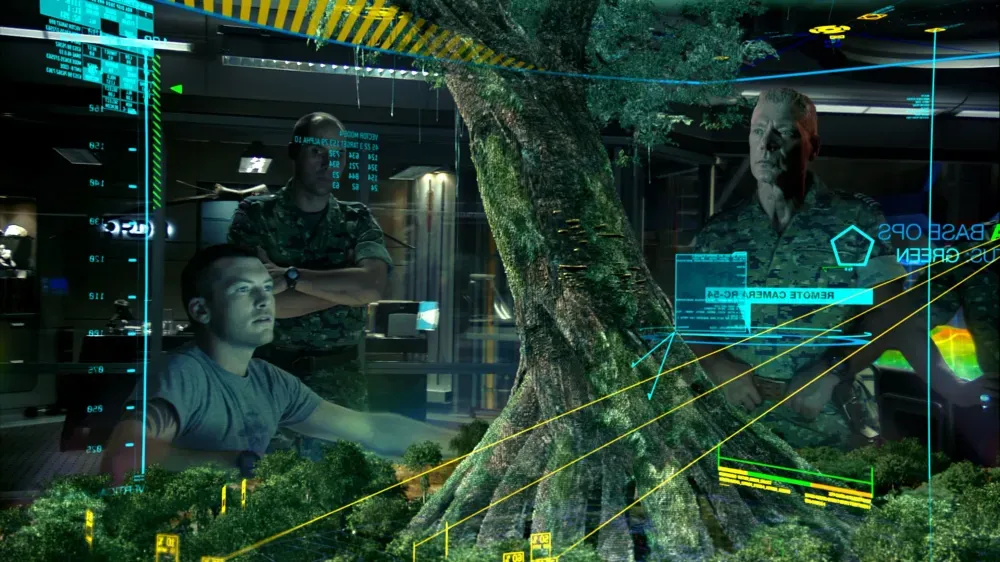
    Krakatoa used for the holographic tree display in Avatar
    • I joined Frantic Films in 2002 and started solving hard rendering and simulation problems.
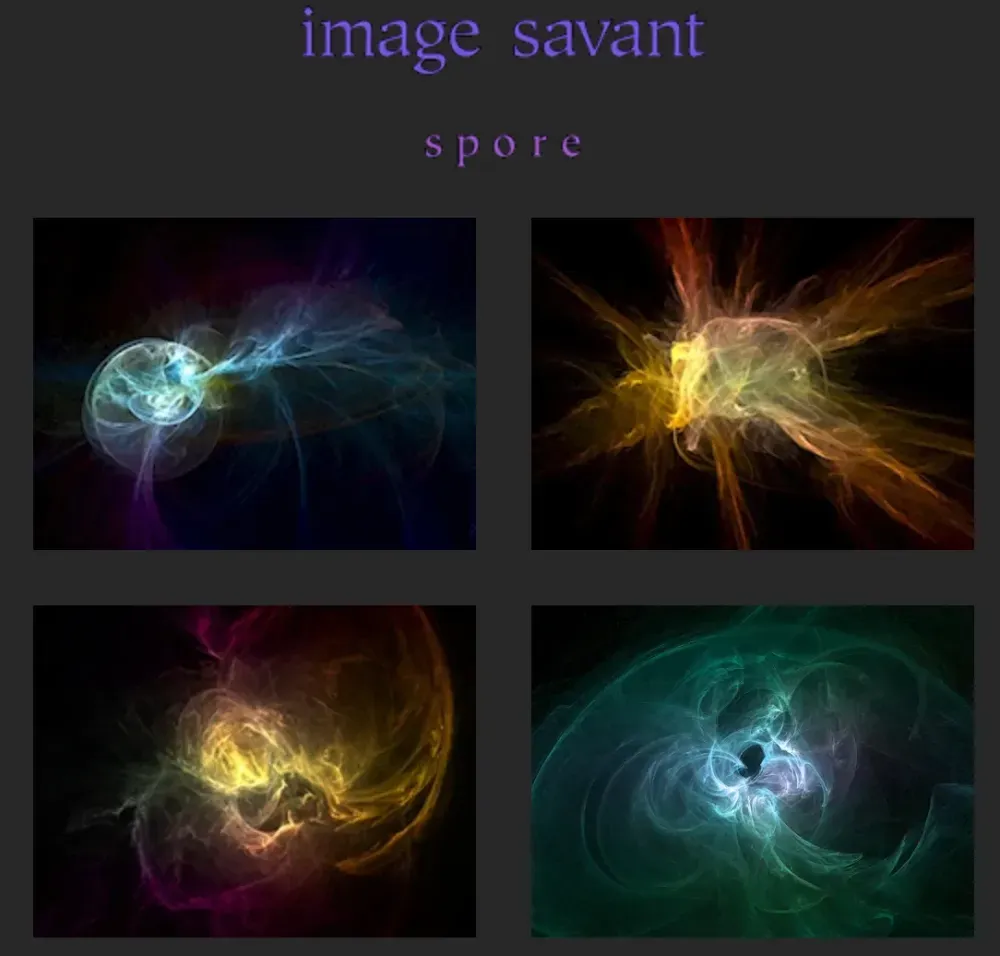
    • One of those problems was rendering massive animated point clouds for Doc Bailey's SPORE imagery.
    • The custom renderer I built for that work became the foundation of Krakatoa.
    • It later grew into one of the most recognizable particle renderers in VFX.
  3. Slide 3

    The Original Problem: Rendering SPORE

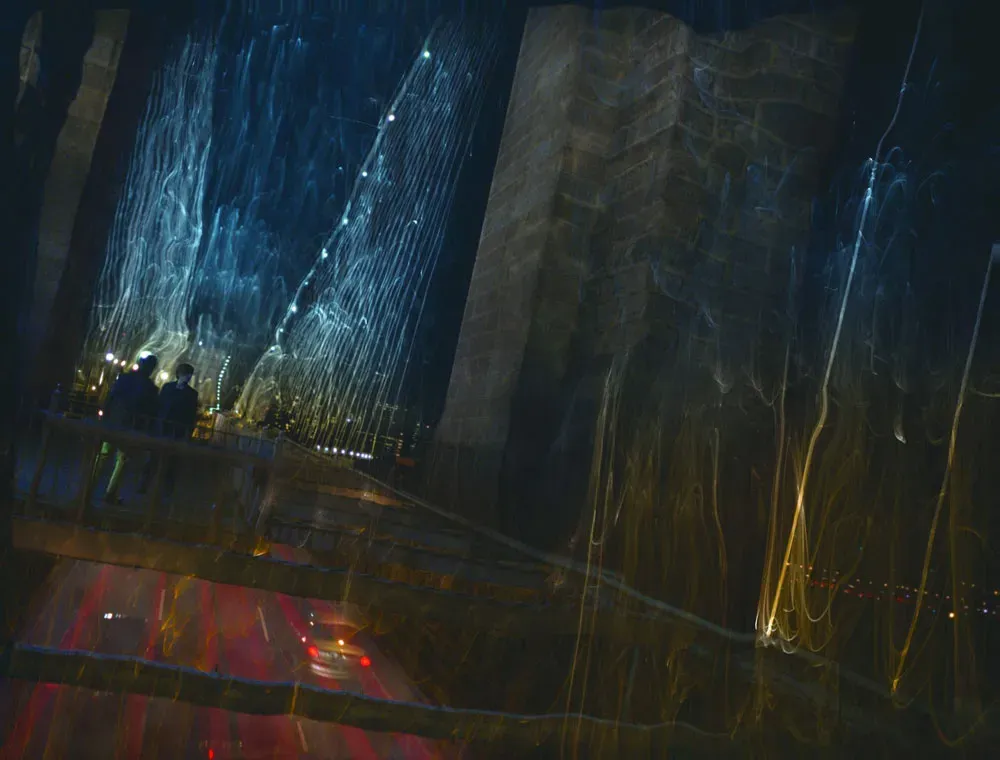
    • In early 2004, we needed to render Doc Bailey's luminous SPORE imagery for the film Stay.
    • The images had to hold up at high resolution with clean anti-aliasing, matte-object cutouts, and camera fly-throughs.
    • They also needed to be animated, which meant generating many frames efficiently.
    • Existing tools could make the images, but they could not scale to the production requirements we had.
    Doc Bailey SPORE image
  4. Slide 4

    Why Existing Renderers Fell Short

    What we needed

    • Extremely large point counts
    • High-resolution output
    • Reliable anti-aliasing
    • Matte objects and clipping planes
    • Practical animation workflows

    What the available tools did poorly

    • Instancing-based approaches hit scaling limits
    • Some SPORE images reached billions of points
    • Traditional renderers were not designed for point clouds at that size
    • We needed a purpose-built renderer, not a workaround
  5. Slide 5

    Building the First Version

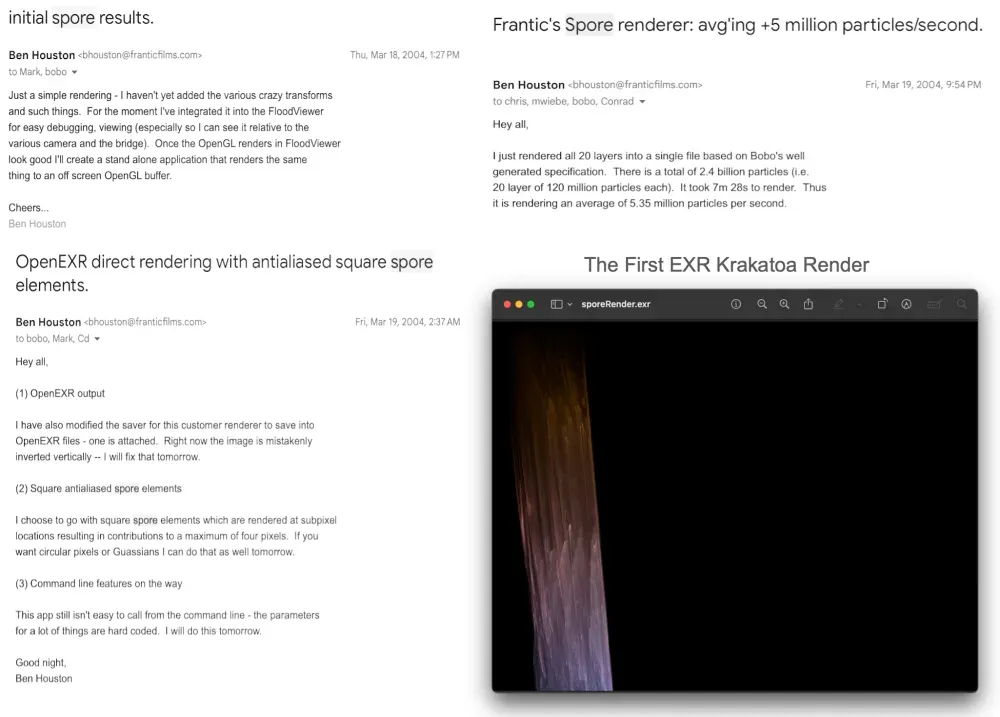
    Early Krakatoa-related emails
    • Doc Bailey provided the core procedural algorithm as a Windows DLL that could stream points incrementally.
    • I adapted an older OpenGL and C# renderer I already had and turned it into a custom point renderer in just a few days.
    • The early version already supported matte objects, volume clipping, lens effects, and depth of field.
    • Mark Wiebe contributed important feedback, file I/O work, and depth-of-field support.
  6. Slide 6

    First Real Use: Stay

    • Work on the renderer started on March 18, 2004.
    • It enabled Frantic Films to complete the post-production work for Stay by June 2004.
    • That first success validated the core idea: streaming and rendering enormous point sets could be practical.
    • What began as a one-off production tool suddenly had broader potential.
    Krakatoa imagery used in Stay
  7. Slide 7

    Second Use Case: Wispy Smoke in Cursed

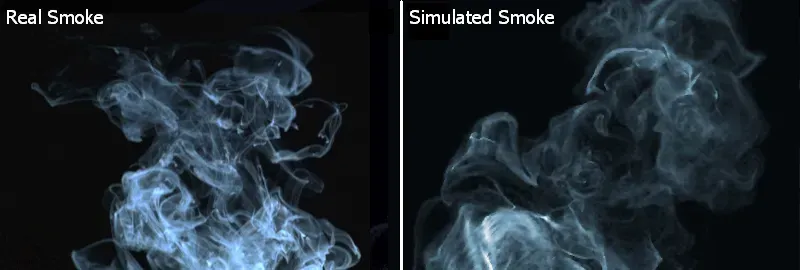
    Wispy smoke effect rendered with Krakatoa
    • The next major use was Cursed (2005), where we rendered wispy smoke effects.
    • We advected large numbers of particles through Frantic's fluid simulator, Flood.
    • That pushed Krakatoa beyond static point imagery into fully simulated particle effects.
    • It also required adding motion blur, making the renderer much more capable.
  8. Slide 8

    Scaling Up Further

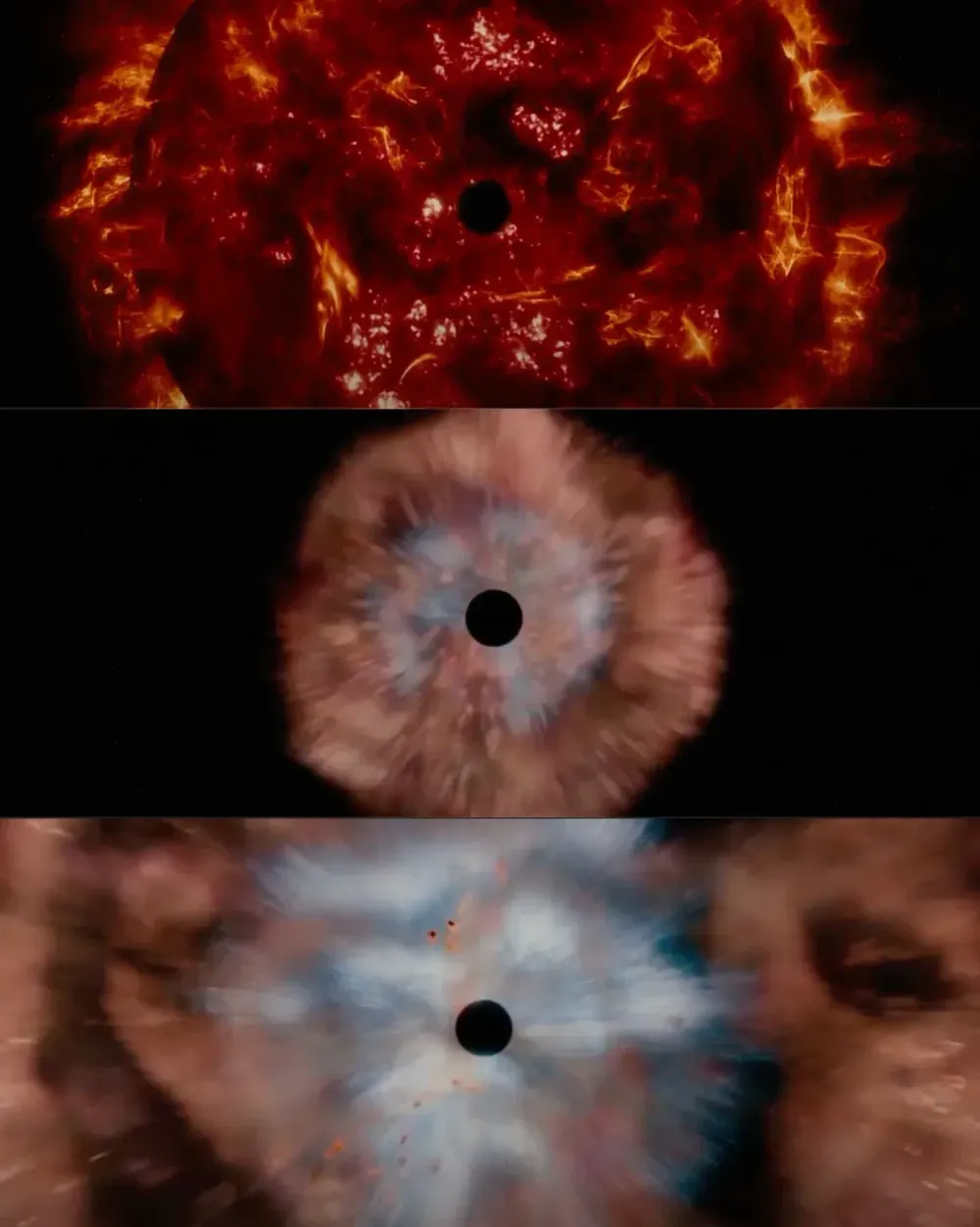
    • One of the last projects I touched before leaving Frantic involved work connected to Superman Returns.
    • The renderer was being pushed toward even greater scalability for SPORE-like crystal internals and explosive effects.
    • I was exploring hierarchical data structures and ray-casting approaches to handle the increasing complexity.
    • By then, it was obvious Krakatoa had become more than a single-show solution.
    Krakatoa-related work for Superman Returns
  9. Slide 9

    From Internal Tool to Industry Renderer

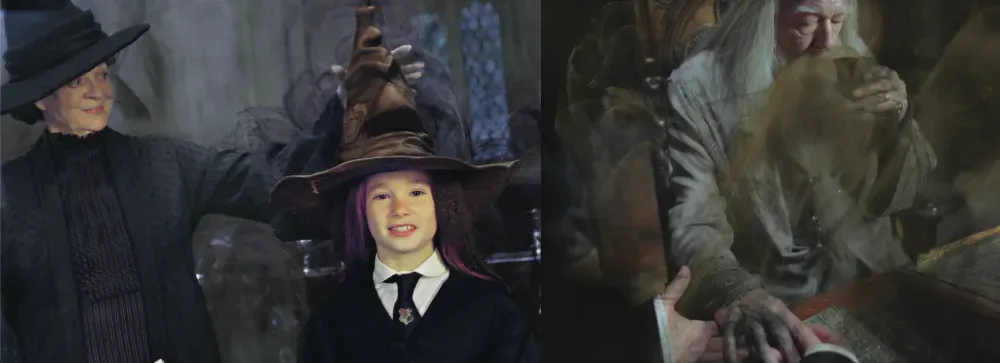
    Krakatoa used in Harry Potter and the Deathly Hallows Part 2
    • I left Frantic in early 2005, but Krakatoa kept evolving under Mark Wiebe and others.
    • It was eventually ported from C# to C++ and integrated more deeply into 3ds Max and later Maya.
    • Public releases followed around 2007 and 2008.
    • Krakatoa went on to be used in many major productions, including Harry Potter and the Deathly Hallows Part 2 and Avatar.
  10. Slide 10

    A Spiritual Successor: Exocortex Fury

    • After Frantic, I founded Exocortex and helped build Exocortex Fury, a GPU-driven spiritual successor to Krakatoa.
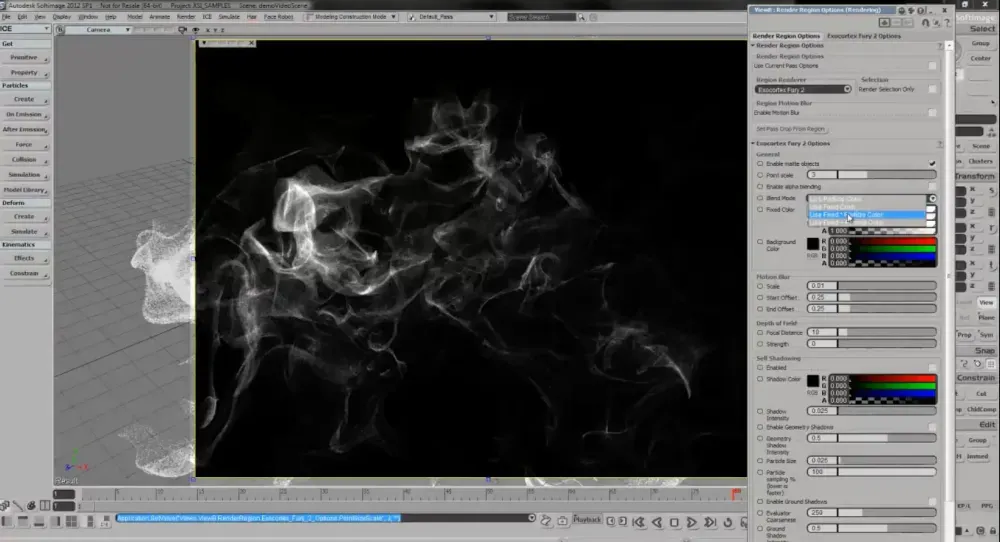
    • Fury focused on real-time rendering of millions of particles with depth of field, motion blur, self-shadowing, and stereo rendering.
    • It integrated with Softimage and Maya and found strong adoption in parts of the VFX industry.
    • The core idea lived on: specialized particle rendering could unlock visuals that general-purpose renderers struggled to deliver.
    Exocortex Fury integrated with Softimage
  11. Slide 11

    What This Story Taught Me

    1. Start with a real pain

    • Krakatoa began as a production necessity
    • The problem was urgent and concrete
    • That made the first version easy to validate

    2. Design for the workload

    • Billions of points changed the architecture
    • General-purpose tools were not enough
    • A focused renderer beat generic solutions

    3. Great tools keep evolving

    • Others extended Krakatoa after I left
    • The core concept survived multiple generations
    • The tool's legacy now includes open source