- Slide 1Building Deadline
Building Deadline
Finding product-market fit in a VFX studio, and almost winning an Oscar
Ben Houston · 2024-12-05
How a render-farm tool I co-created in the early 2000s grew from an internal fix into software used across major Hollywood productions.
- Slide 2The Story in One Sentence
The Story in One Sentence
- I joined Frantic Films right out of university to work on simulation tools.
- A need for faster fluid-simulation workflows led me to build a small distributed scheduler.
- That scheduler became the foundation for Deadline, a render manager that later spread across the VFX industry.
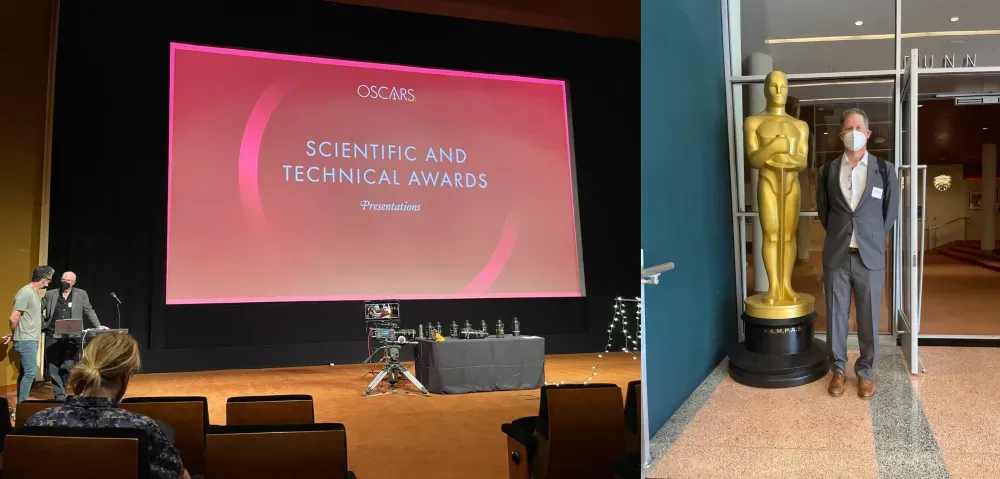
- The software was eventually considered twice for Academy Scientific and Technical recognition.
- Slide 3The Leap of Faith
The Leap of Faith
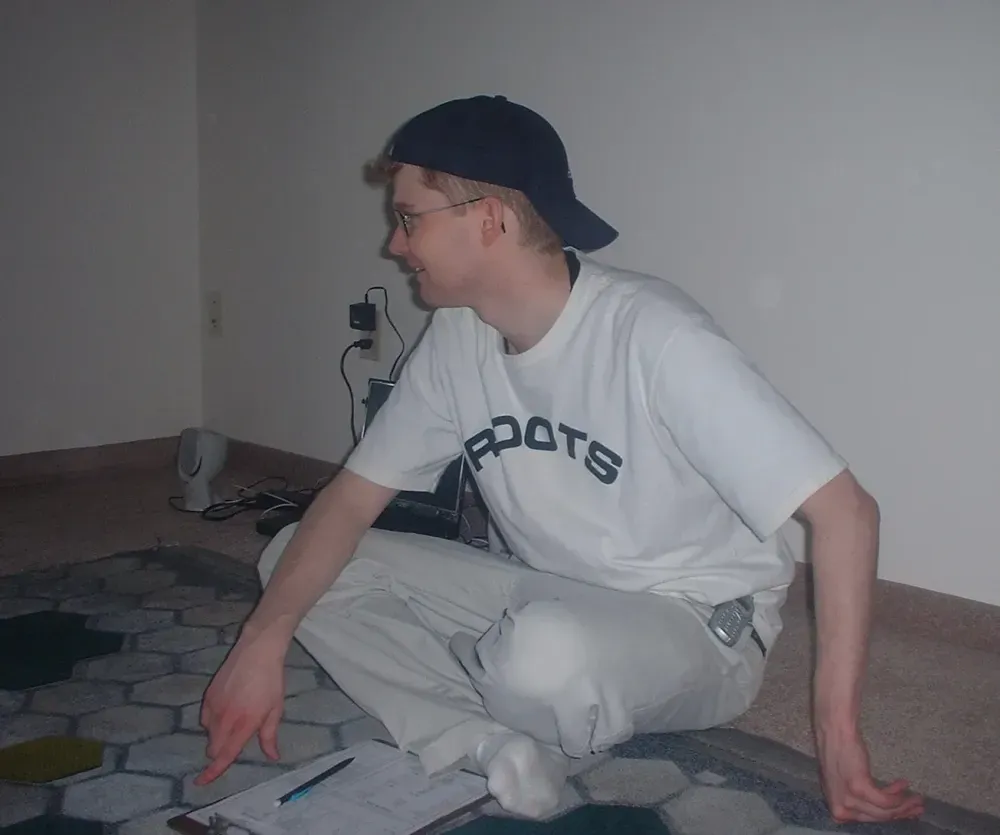
- In 2002, I flew from Ottawa to Winnipeg for a VFX job before I even had a signed contract.
- I showed up at Frantic Films, stayed in a cheap hostel, and immediately started building.
- The assignment was ambitious: implement a fluid solver based on Jos Stam's stable fluids work.
- I had a 2D version running in days and a 3D solver within a few months.
- Slide 4From Fluid Solver to Studio Infrastructure
From Fluid Solver to Studio Infrastructure

- Fluid simulations could take days to complete.
- I built a simple distributed scheduler called Cloud so I could use idle machines around the office.
- That let me keep iterating while long-running simulations executed in the background.
- At the same time, the studio's render farm had a much bigger reliability problem.
- Slide 5The Problem No One Was Solving Well
The Problem No One Was Solving Well
My problem
- Simulations were expensive and slow.
- I needed a way to spread jobs across idle machines.
- A lightweight shared-filesystem scheduler was good enough.
The studio's problem
- Frantic was using Autodesk Backburner on a roughly 60-machine render farm.
- It was unreliable enough that someone worked nights just to restart it when it crashed.
- Failed overnight renders meant missed deadlines and wasted artist time.
- Slide 6Why Deadline Worked
Why Deadline Worked
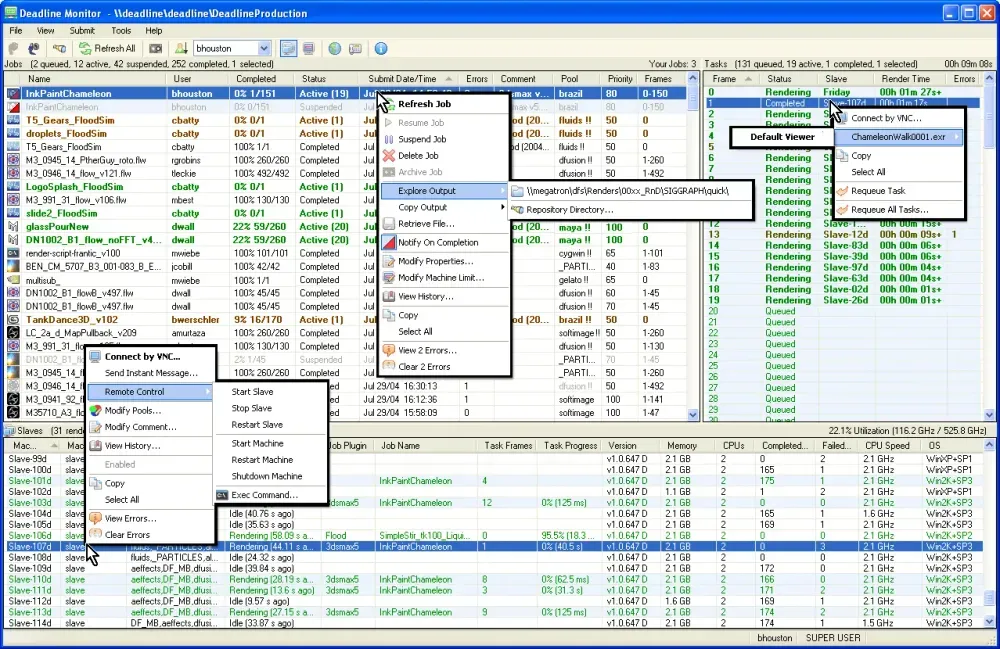
- We adapted my scheduler into a render-farm manager called Deadline.
- Instead of a complex central server, we used the filesystem itself as the coordination layer.
- File renames handled locking, timestamps handled health checks, and workers cleaned up stale work.
- It was not fancy, but it was robust, and it removed the need for overnight babysitting.
- Slide 7Early Signals of Product-Market Fit
Early Signals of Product-Market Fit
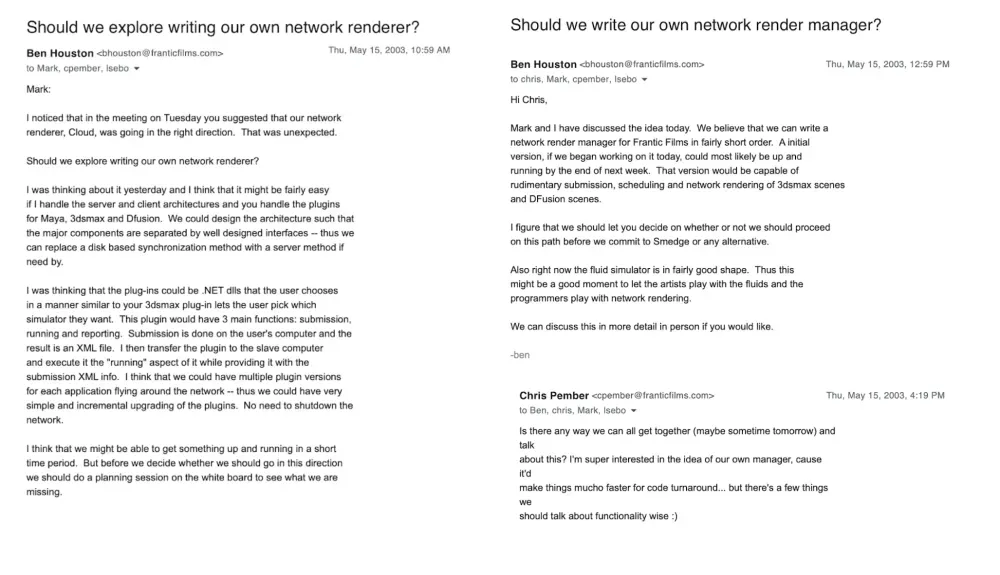
- The internal enthusiasm was immediate because the pain was already real and urgent.
- We were not inventing demand; we were replacing a broken workflow.
- Chris Pember and others inside the studio pushed the product forward from the beginning.
- The first useful version shipped quickly because the problem definition was already clear.
- Slide 8From Internal Tool to External Product
From Internal Tool to External Product
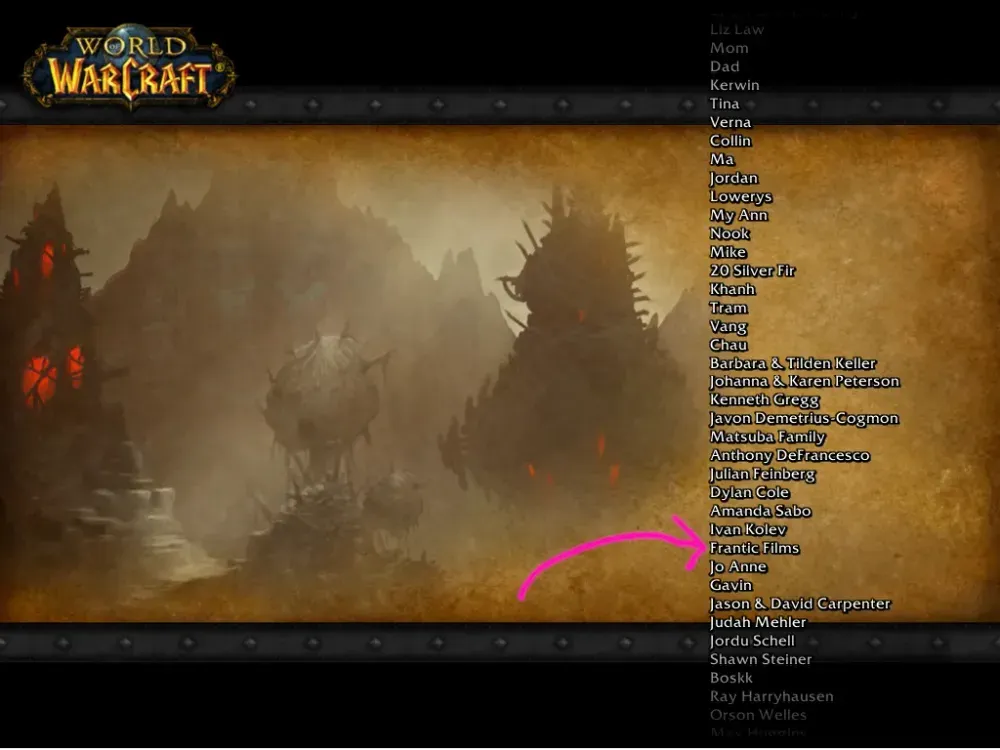
- Chris Bond helped connect us with Blizzard as our first major external user.
- John Burnett's team used Deadline on the World of Warcraft cinematics pipeline.
- That success proved the product worked beyond our own studio and gave us a powerful endorsement.
- It also helped justify turning Deadline into a real software business.
- Slide 9Launch and Expansion
Launch and Expansion
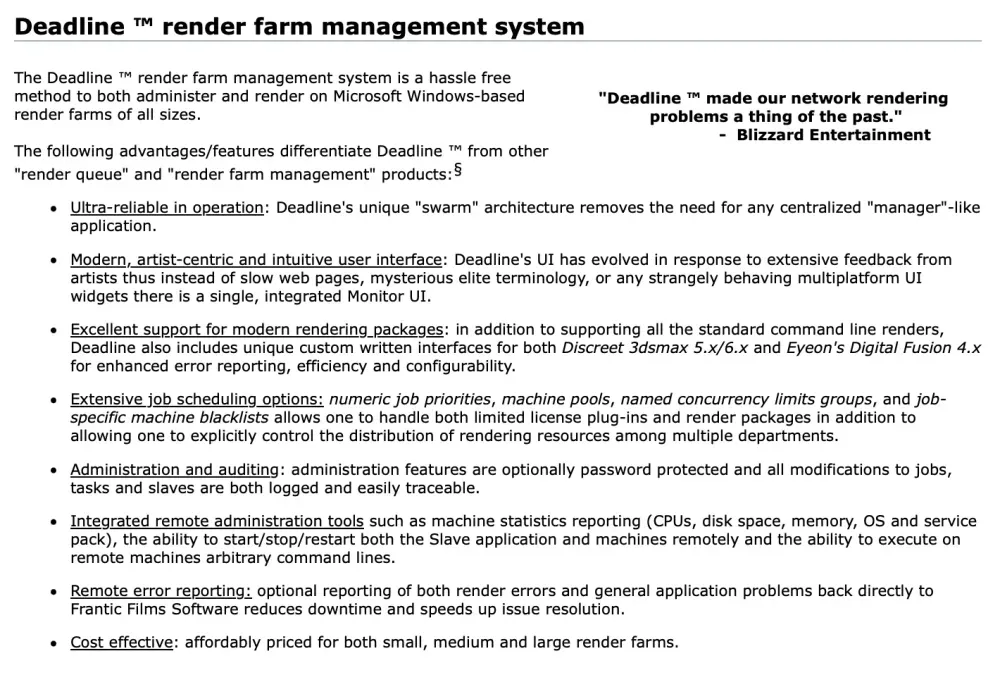
- Frantic Films Software launched a beta in 2004 with more than 100 studios and artists participating.
- That gave us direct market feedback on the feature set users actually wanted.
- We launched v1 at SIGGRAPH 2004 and started selling to outside studios.
- The lesson was simple: user feedback sharpened the product much faster than internal intuition alone.
- Slide 10Impact and Legacy
Impact and Legacy
- After I left Frantic in 2005, Deadline kept growing under later owners including Thinkbox.
- It was eventually used on hundreds of major productions across film and television.
- Amazon later acquired Thinkbox, making Deadline part of a larger cloud-rendering strategy.
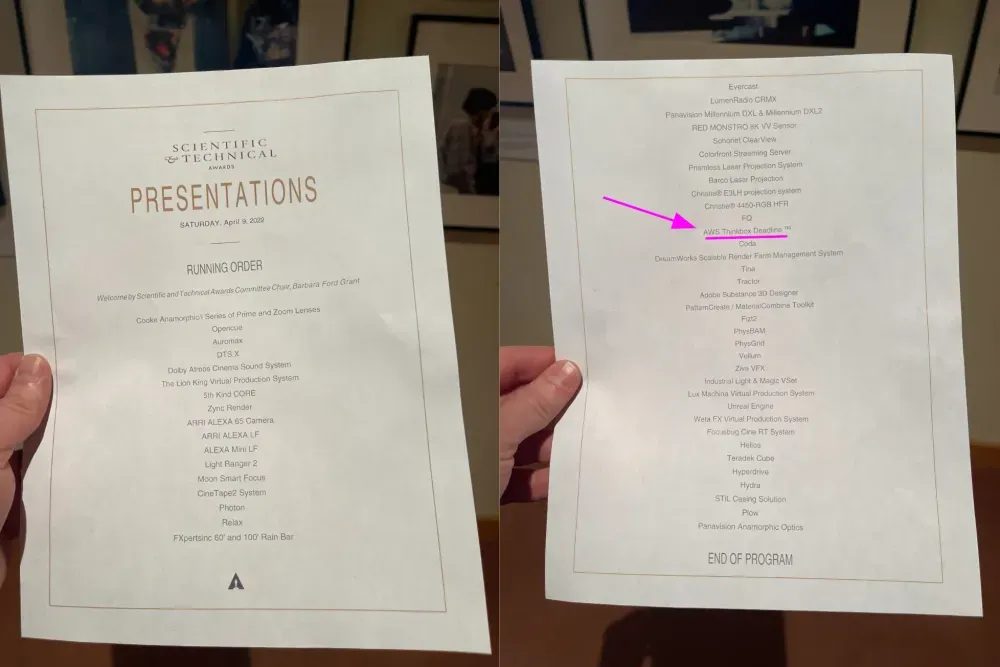
- Being considered for Academy Scientific and Technical recognition was a surreal reminder of how far the tool had gone.
- Slide 11What I Learned
What I Learned
1. Solve a real pain
- Deadline worked because the workflow pain was immediate
- Reliability mattered more than novelty
- Production problems create strong demand
2. Keep it simple
- A simple architecture can beat an elegant fragile one
- Fewer moving parts meant fewer failures
- Robustness won trust
3. Follow market pull
- Render management was a larger market than fluid simulation
- Beta feedback helped define the right product
- Big opportunities can start inside someone else's company