- Slide 1From VFX Tools to Enterprise SaaS
From VFX Tools to Enterprise SaaS
Three lessons in finding product-market fit
Ben Houston · 2025-07-26
An entrepreneurial journey from Hollywood VFX tools to a company that raised $65M for enterprise SaaS.
- Slide 2The Talk in One Sentence
The Talk in One Sentence
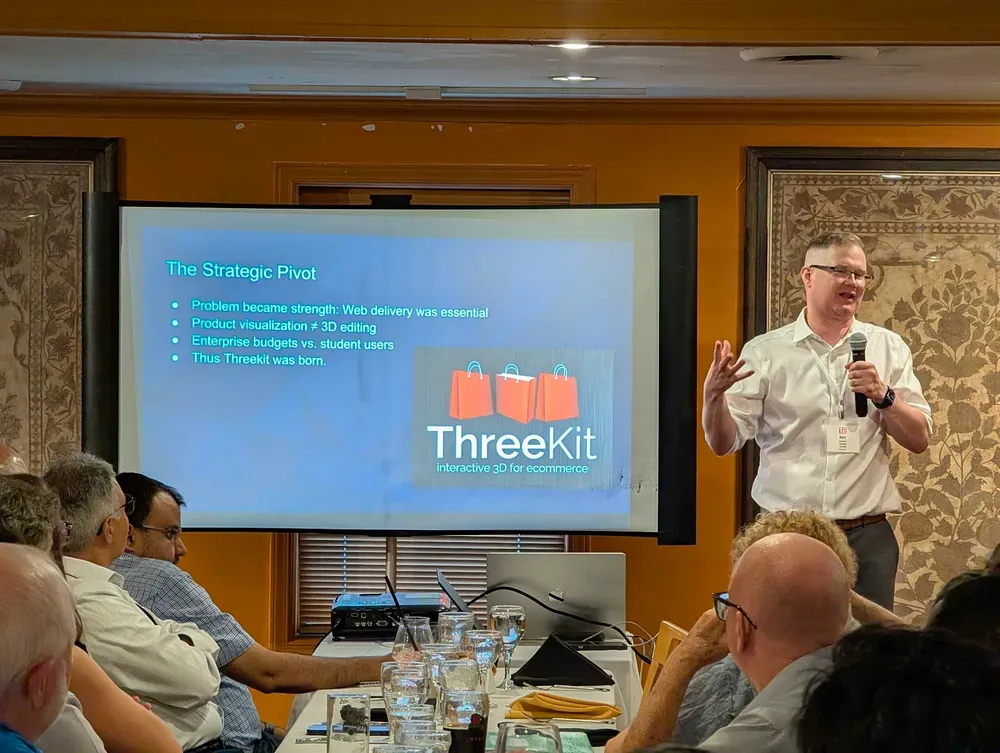
- I started by solving technical problems right in front of me.
- Those solutions turned into products used in film, gaming, and enterprise commerce.
- The biggest wins came from following market pull, not protecting my original vision.
- Slide 3The Journey
The Journey
Chapter 1
- Join Frantic Films in 2002
- Build simulation and render infrastructure
- Accidentally create a breakout product
Chapter 2
- Leave to build Exocortex
- Learn the importance of ownership
- Turn consulting work into product IP
Chapter 3
- Bet on web-based 3D with Clara.io
- Pivot into enterprise commerce with Threekit
- Bring in operators to scale the company
- Slide 4The Accidental Beginning
The Accidental Beginning
- I moved to Winnipeg for a VFX job before I even had a signed contract.
- On day one, I was handed Jos Stam's stable fluids paper and told to build a fluid solver.
- I had a working 2D version in three days and a 3D solver within five months.
- That work ended up shipping in productions like Scooby Doo 2 and The Core.
The key pattern started early: solve a hard technical problem well, then look for the larger opportunity hidden inside it.
- Slide 5First Pivot: Personal Tool to Industry Standard
First Pivot: Personal Tool to Industry Standard
- Fluid simulations took days, so I built a distributed scheduler to use idle machines around the office.
- The studio had a bigger pain: unreliable render management on a 60-machine farm.
- We repurposed the same core idea into Deadline, a robust render manager built for reliability.
- Blizzard became an early external customer, and the product later spread across hundreds of major productions.
- Deadline was eventually acquired by Amazon.

- Slide 6Building Ownership
Building Ownership
What changed
- By 2005, I had learned how to build, market, and sell products.
- What I did not have was ownership in the upside.
- That pushed me to leave and found Exocortex.
What I learned
- Consulting can fund the journey, but products create leverage.
- Negotiating to keep IP can turn services work into durable assets.
- Great technical execution matters more when you also control the business outcome.
- Slide 7The $1M Learning Experience
The $1M Learning Experience
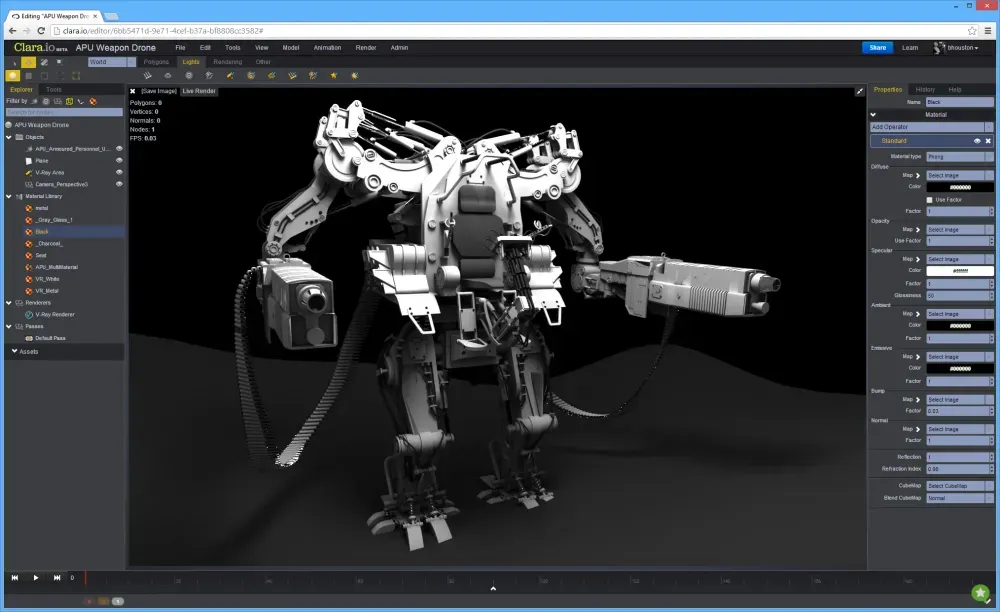
- In 2012, I bet on browser-based 3D editing with Clara.io.
- The vision was compelling: cloud-native, collaborative 3D creation on any device.
- We launched to strong enthusiasm, grew to more than 100,000 users, and attracted respected investors.
- But students and hobbyists loved it more than professionals, and they were not the buyers who could sustain the business.
Traction proved the idea was interesting. It did not prove we had product-market fit.
- Slide 8Second Pivot: When Constraints Become Advantages
Second Pivot: When Constraints Become Advantages
- Steelcase asked whether our web-based 3D technology could power product visualization online.
- For creative professionals, browser delivery was a limitation.
- For configurable commerce, browser delivery was exactly the point.
- The same core technology suddenly fit a higher-value, enterprise problem.
- That became the path to Threekit.
- Slide 9Scaling Beyond Individual Capability
Scaling Beyond Individual Capability
- Once we had real enterprise pull, a new bottleneck appeared: me.
- I knew product and technology, but not systematic enterprise sales, fundraising at scale, or rapid operational growth.
- In 2018, we brought in an experienced operator who had already won in this market.
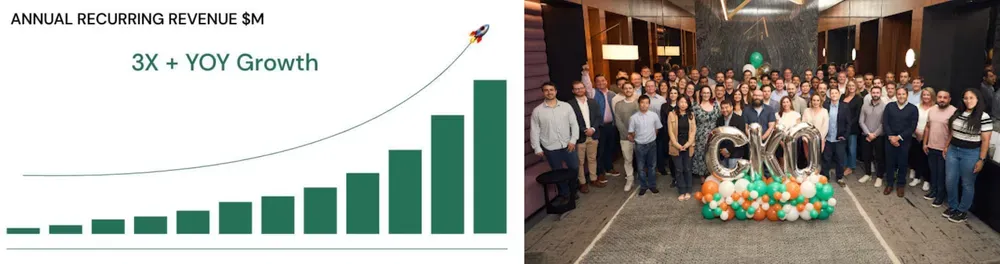
- With a stronger leadership team, Threekit raised $65M, grew from roughly 20 to 100+ employees, and achieved strong revenue growth.
The best technology does not always win. The best overall company usually does.
- Slide 10Three Hard-Won Lessons
Three Hard-Won Lessons
1. Pivot toward fit
- Your original vision is a hypothesis
- Market pull matters more than founder attachment
- Constraints can become advantages in the right segment
2. Focus on enterprise
- Enterprises have bigger budgets
- They create stronger expansion paths
- They reduce the chaos of small, high-churn accounts
3. Sell the full package
- Product quality matters
- Integration matters
- Trust and long-term relationships matter just as much
- Slide 11What Enterprise Customers Really Buy
What Enterprise Customers Really Buy
The product
- It has to solve a real problem
- It has to be reliable
- It has to justify the budget
The integration
- It must fit existing workflows
- It must work with internal systems
- Implementation quality shapes the outcome
The relationship
- Enterprise deals are multi-year commitments
- Problems will happen
- Customers want a partner, not just software
- Slide 12The Bigger Picture
The Bigger Picture
- You do not need a grand startup fantasy to build something significant.
- Some of the best opportunities begin as practical fixes for painful, immediate problems.
- The job is to notice when a local solution reveals a much bigger market.
- Then be willing to pivot, focus, and build the team required to scale it.
Start with the problem in front of you.